

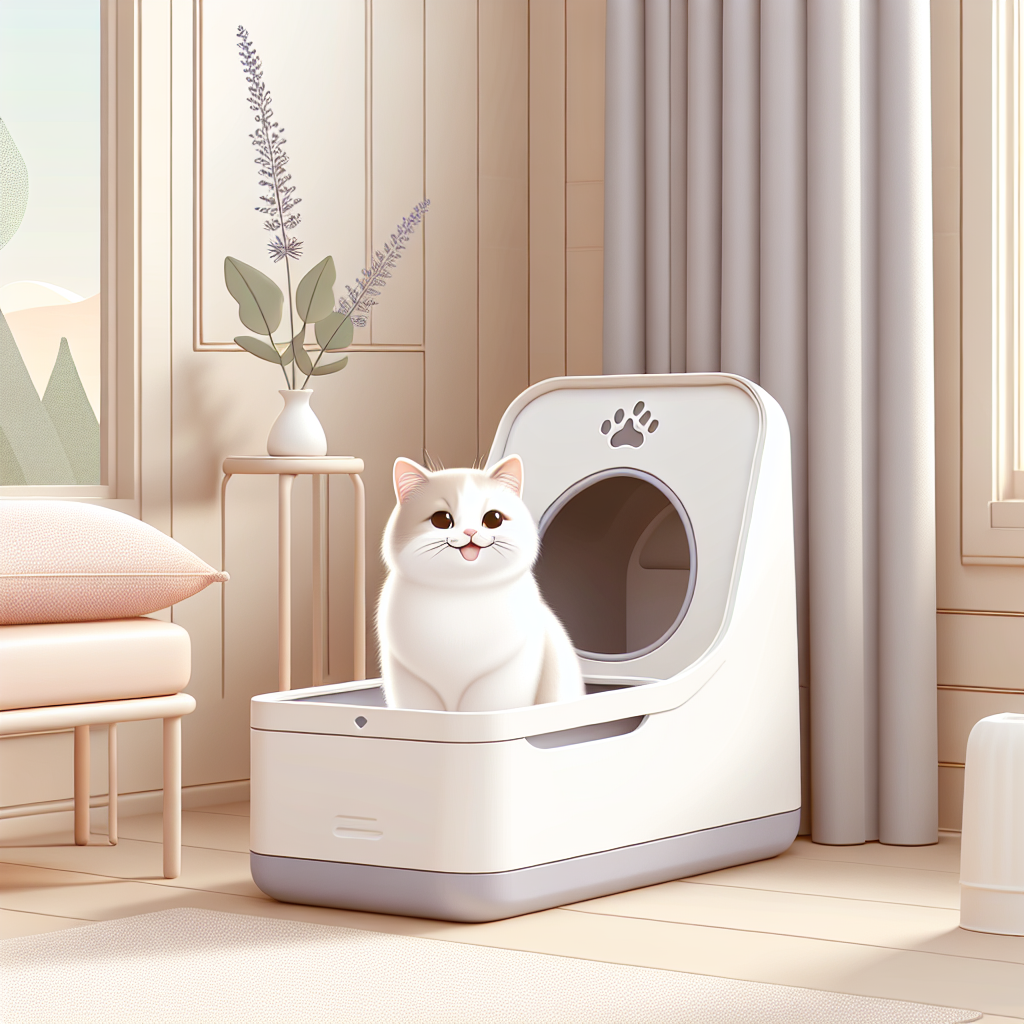
Connected litter box maintenance issues: practical solutions
Connected Litter Box Maintenance Issues: How to Easily Avoid Them
It's 7:30 AM, you're stepping out of the shower, and that smell hits you again. Your cat did its business last night, and despite your brand new connected litter box, something's not right. The cleaning cycle didn't trigger, the waste drawer is overflowing, or worse: the device is blinking with an incomprehensible error code.
Many cat owners experience this situation. Buying an automatic litter box was supposed to simplify your daily life, but connected litter box maintenance issues can quickly turn this innovation into a source of stress. Fortunately, most of these inconveniences are easily resolved with the right habits.
When Technology Complicates Instead of Simplifies
Connected litter boxes promise wonders: automatic cleaning, smartphone control, no more daily chores. But reality sometimes catches up with our expectations. Faulty sensors, substrate jamming, saturated filters: these small annoyances can quickly ruin the experience.
The main problem? Many users think that a smart litter box works completely autonomously. This is a misunderstanding. Like any connected home appliance, it requires a minimum of attention and some regular maintenance actions.
Most Common Failures and Their Solutions
The Cleaning Cycle Doesn't Trigger
This is the number one concern. Your cat uses its innovative litter box, but nothing happens. Several possible causes:
- Weight or motion sensors are obstructed by dust
- The substrate used is not suitable (too fine, too coarse)
- The cat does not reach the minimum detection weight
The solution is often simple: a delicate cleaning of the sensors with a dry cloth and checking the sensitivity settings in the app.
Jamming and Mechanism Blockage
Is the drum or rake getting stuck? This is usually due to the accumulation of wet substrate or clumps that are too large. Effective automatic cleaning requires the use of quality clumping litter, neither too fine nor too thick.
"I had this problem for weeks until I switched litter brands. Now my Lala Home litter box has been working perfectly for 6 months!" - Testimonial from Marie, owner of two cats
Preventive Maintenance: Your Best Ally
Rather than enduring breakdowns, it's better to prevent them. An self-cleaning cat litter box certainly requires less intervention than a classic tray, but a few regular actions ensure its proper functioning.
The Weekly Routine That Changes Everything
Every week, take five minutes to:
- Completely empty the waste drawer
- Check the condition of the odor filters
- Clean the sensors with a dry cloth
- Check the substrate level
These simple actions prevent 90% of malfunctions. It's a small time investment for great daily comfort.
Choosing a Reliable Connected Litter Box from the Start
Not all models are created equal. Some brands prioritize marketing over robustness, while others focus on long-term reliability. The Lala Home automatic litter box, for example, integrates high-precision sensors and a safety system that automatically stops the cycle if the cat approaches.
This attention to detail makes all the difference in daily life. Fewer false triggers, fewer jams, less stress for you and your four-legged companion.
The Criteria That Really Matter
Before investing, check that your future modern cat solution has:
- A multi-sensor detection system
- An anti-pinch safety mechanism
- Detachable parts that are easy to clean
- Responsive customer service
Managing Emergency Situations
Even with the best automatic litter box, unforeseen events can occur. Power outage, technical failure, or simply a cat that ignores its new setup.
Always keep a backup tray and some classic litter. This precaution avoids stress and gives you time to calmly resolve the problem.
Frequently Asked Questions About Connected Litter Box Maintenance
How often should the automatic litter box be completely cleaned?
A complete monthly cleaning is usually sufficient. Disassemble the removable elements, wash them with warm water and a mild detergent, and let them dry before reassembly. Avoid aggressive chemical products that could damage the sensors.
What if my cat refuses to use the automatic litter box?
Patience is key. First, leave the device off for a few days, giving your cat time to get used to it. Then gradually activate the automatic functions. Some cats need several weeks to accept the change.
Do connected litter boxes consume a lot of electricity?
No, consumption remains very modest, equivalent to an LED night light. Most modern models integrate energy-saving modes that optimize cleaning cycles.
Can any type of litter be used with an automatic tray?
Not exactly. Opt for a medium-grained clumping litter. Substrates that are too fine will clog the mechanisms, while those that are too coarse will not clump properly. Consult the manufacturer's recommendations.
A Peaceful Daily Life with Your Companion
Connected litter box maintenance issues are not inevitable. With good habits and reliable equipment, your home will regain its serenity. No more persistent odors, no more daily chores, no more guilt when you come home late from work.
Your cat deserves the best, and you deserve peace of mind. Solutions exist, it's up to you to take the step towards a more harmonious daily life. Lala Home technology has already won over thousands of French households who have chosen simplicity without compromising on quality.
Because ultimately, happiness is also those little everyday details that work perfectly, in the background, so you can focus on the essentials: enjoying every moment with your four-legged companion.
Automatic litter box breakdown after 6 months: how to prevent it
Automatic litter box urine leakage: practical solutions
All our articles

Pourquoi mon chat devrait boire dans une fontaine à eau

Comment avoir une maison qui sent bon avec des chats : le guide complet

Comment habituer mon chat à la litière automatique : méthode étape par étape

Où mettre la litière dans un appartement ? Le guide complet

Quelle est la meilleure litière automatique pour chat en 2026 ? Comparatif, tests et guide d'achat

Cat Food: The complete guide to feeding your pet at every stage of their life

Why Is My Cat Pooping Outside the Litter Box? Causes, Diagnosis, and Solutions

