

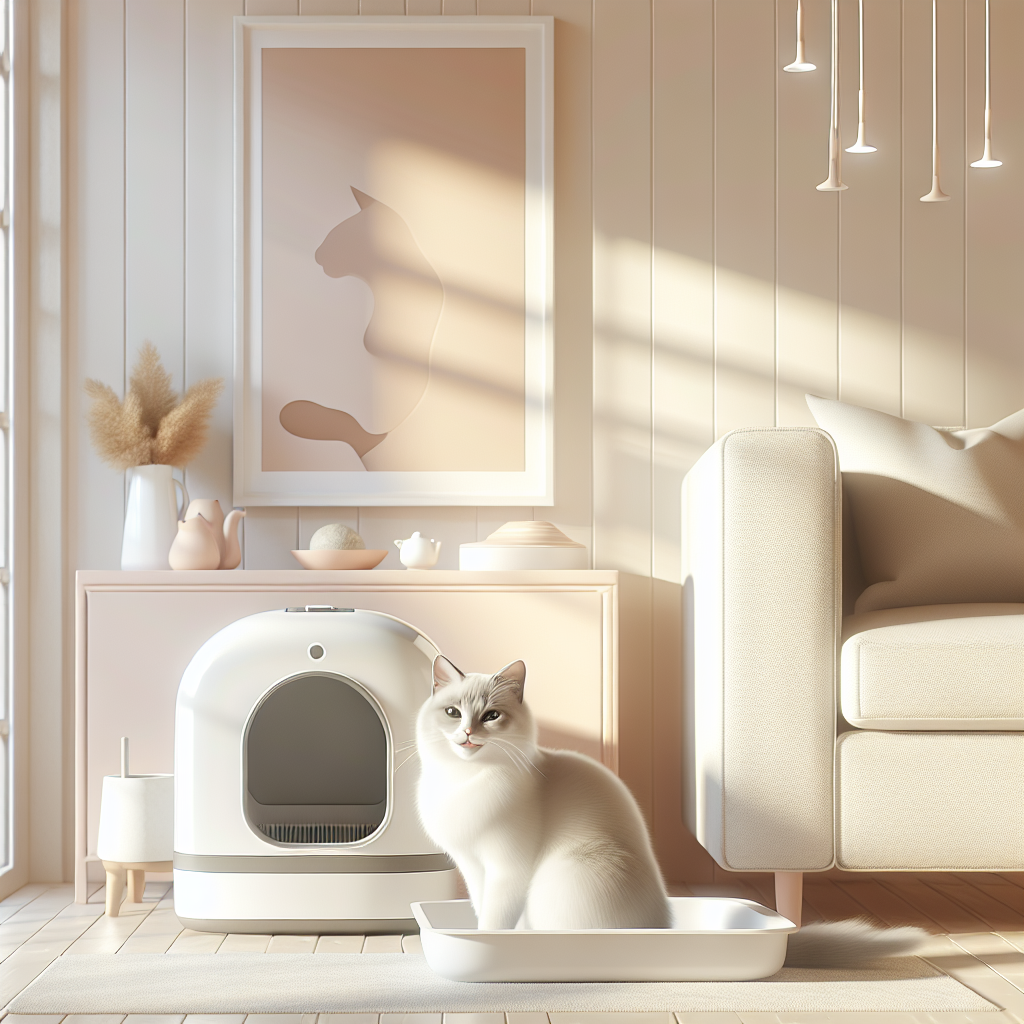
Blocked automatic litter box cycle: solutions and tips
Automatic Litter Box Cycle Stuck: How to Regain Peace of Mind and Cleanliness
It's 7 AM, and as you head to the kitchen for your morning coffee, that familiar smell catches up with you. Felix's litter box clearly didn't work last night. A quick glance confirms your fears: the automatic cleaning cycle is stuck, leaving waste to accumulate. This frustrating but common situation affects many automatic litter box owners.
Fortunately, most blockages have simple causes and readily available solutions. Understanding how your equipment works and adopting good habits will allow you to fully enjoy the benefits of a high-performing automatic litter box.
Understanding the Mechanisms of a Self-Cleaning Litter Box
An automatic litter box operates on a precise cycle orchestrated by sensors and motorized mechanisms. When your cat uses its innovative litter house, a motion or weight detector triggers a timer. After a safety delay, usually 3 to 7 minutes, the system activates its cleaning mechanism.
This process involves several steps: rotation or translation of a rake or sieve, separation of clumps from clean litter, and evacuation to a sealed waste bin. Carbon filters neutralize odors during this operation. Finally, the system returns to its initial position, ready for the next use.
Main Causes of a Stuck Cycle
Several factors can interrupt this meticulous mechanical ballet. Litter accumulation is the most common cause. When the level becomes too high or overly large clumps form, the mechanism can jam or strain until it triggers a safety stop.
Sensor problems are another source of malfunction. Dust, moisture, or simple wear and tear can alter their sensitivity. A faulty sensor can trigger untimely cycles or, conversely, fail to detect your cat's presence.
Let's not forget mechanical obstructions: a toy dropped into the tray, a clump stuck in the rails, or even hair accumulation that hinders rotation. These disruptive, though seemingly minor, elements are enough to block the entire system.
Immediate Solutions to Unblock Your Litter Box
When faced with a stuck cycle, start by unplugging the device for a few minutes. This electronic reset often resolves temporary software bugs. Take the opportunity to visually inspect the mechanism.
Gently remove any visible obstructions: stuck clumps, debris, hair accumulated in the gears. Use a soft brush to clean the sensors, often located near the tray entrance. A slightly damp cloth is usually sufficient to remove dust that interferes with their operation.
Also check the litter level. Too much can overload the mechanism, while too little prevents the formation of coherent clumps. Most manufacturers recommend a depth of 5 to 7 centimeters.
“Since I adopted a weekly maintenance routine, my Lala Home litter box has been working flawlessly. A few minutes of attention prevent a lot of inconvenience!” - Marie, owner of two cats
Preventing Blockages: A Proactive Approach
Prevention remains your best ally in avoiding stuck cycles. Establish a regular maintenance routine: weekly emptying of the waste bin, monthly cleaning of sensors and mechanisms, and periodic replacement of odor filters.
The choice of litter directly influences your equipment's performance. Opt for a quality clumping litter, with a fine and uniform granularity. Avoid scented litters that can clog filters, or overly dusty clay-based ones.
For multi-cat households, carefully monitor usage frequency. An automatic litter box can handle several daily uses, but intensive use requires more frequent maintenance and sometimes the addition of a second unit.
When to Call Technical Support
Some malfunctions go beyond routine maintenance. If blockages become recurrent despite rigorous upkeep, or if you hear abnormal noises, contact the manufacturer's customer service. Quality equipment like that from Lala Home generally benefits from responsive technical support and extended warranties.
Electronic problems, motor failures, or sensor malfunctions require technical expertise. Do not attempt to disassemble electrical components, as this risks voiding your warranty and causing additional damage.
Frequently Asked Questions About Stuck Cycles
Why does my automatic litter box always get stuck in the same place?
A recurring blockage at the same point usually indicates a fixed mechanical obstruction: a deformed rail, a hardened clump stuck to the mechanism, or a faulty limit switch sensor. Thoroughly inspect and clean this area.
Can my cat use the litter box during a stuck cycle?
Yes, your cat can continue to use its litter box even if the automatic cycle is interrupted. However, you will need to manually clean it until the problem is resolved, just like with a traditional litter box.
Do I need to completely change the litter after a blockage?
No, a simple blockage does not require a complete change. Remove accumulated clumps, replenish the level if necessary, and run a test cycle. A complete renewal is only useful in cases of significant soiling or persistent odors.
How long can I leave my litter box stuck?
Ideally, resolve the problem within 24 hours. Beyond that, the accumulation of waste can create unpleasant odors and discourage your cat from using its litter box, potentially disrupting its cleanliness habits.
Regaining Daily Serenity
A stuck cycle on your automatic litter box is only a temporary setback, often resolved with a few simple steps. By adopting good maintenance habits and understanding how your equipment works, you will fully enjoy the advantages of this modern cat solution: constant cleanliness, odor reduction, and valuable time savings.
Investing in a quality automatic litter box, such as those offered by Lala Home, truly transforms the daily lives of cat owners. No more daily cleaning chores, persistent odors, or the worry of being away for a few days. Your feline companion deserves this comfort, and so do you. Modern technology finally puts hygiene and practicality at the service of the beautiful bond you share with your cat.
Automatic litter box breakdown after 6 months: how to prevent it
Automatic litter box urine leakage: practical solutions
All our articles

Pourquoi mon chat devrait boire dans une fontaine à eau

Comment avoir une maison qui sent bon avec des chats : le guide complet

Comment habituer mon chat à la litière automatique : méthode étape par étape

Où mettre la litière dans un appartement ? Le guide complet

Quelle est la meilleure litière automatique pour chat en 2026 ? Comparatif, tests et guide d'achat

Cat Food: The complete guide to feeding your pet at every stage of their life

Why Is My Cat Pooping Outside the Litter Box? Causes, Diagnosis, and Solutions

